Blog
Designing Resilient Landscapes: Sustainable Solutions for Modern Outdoor Living
The journey to creating a sustainable landscape begins with understanding its core components. A resilient landscape should withstand various environmental challenges while requiring minimal maintenance. With increasing awareness of climate change and its impacts, more homeowners are turning towards eco-friendly landscaping solutions. At its heart, sustainable landscaping involves using native plants, efficient irrigation systems, and durable hardscape materials. This not only protects local ecosystems but also enhances property value.
The choice of plants is the cornerstone of any resilient landscape. Opting for native species is critical as they are naturally adapted to local soil and climate conditions, requiring less water and fertilizers. For instance, in regions like North Carolina, where Starnes Hardscapes is based, integrating plants like the Eastern Redbud or Carolina Jessamine can provide both beauty and sustainability. These plants are adept at surviving local weather patterns, reducing the reliance on chemical interventions.
Water management is another crucial aspect of a sustainable landscape. Implementing efficient irrigation systems and rainwater harvesting solutions can drastically reduce water use, an essential property management practice for our eco-conscious clients. Techniques such as drip irrigation or smart sprinkler systems not only conserve water but also ensure plants receive the optimal amount of moisture they need. Additionally, creating rain gardens can effectively manage stormwater runoff, reducing soil erosion and replenishing local groundwater levels.
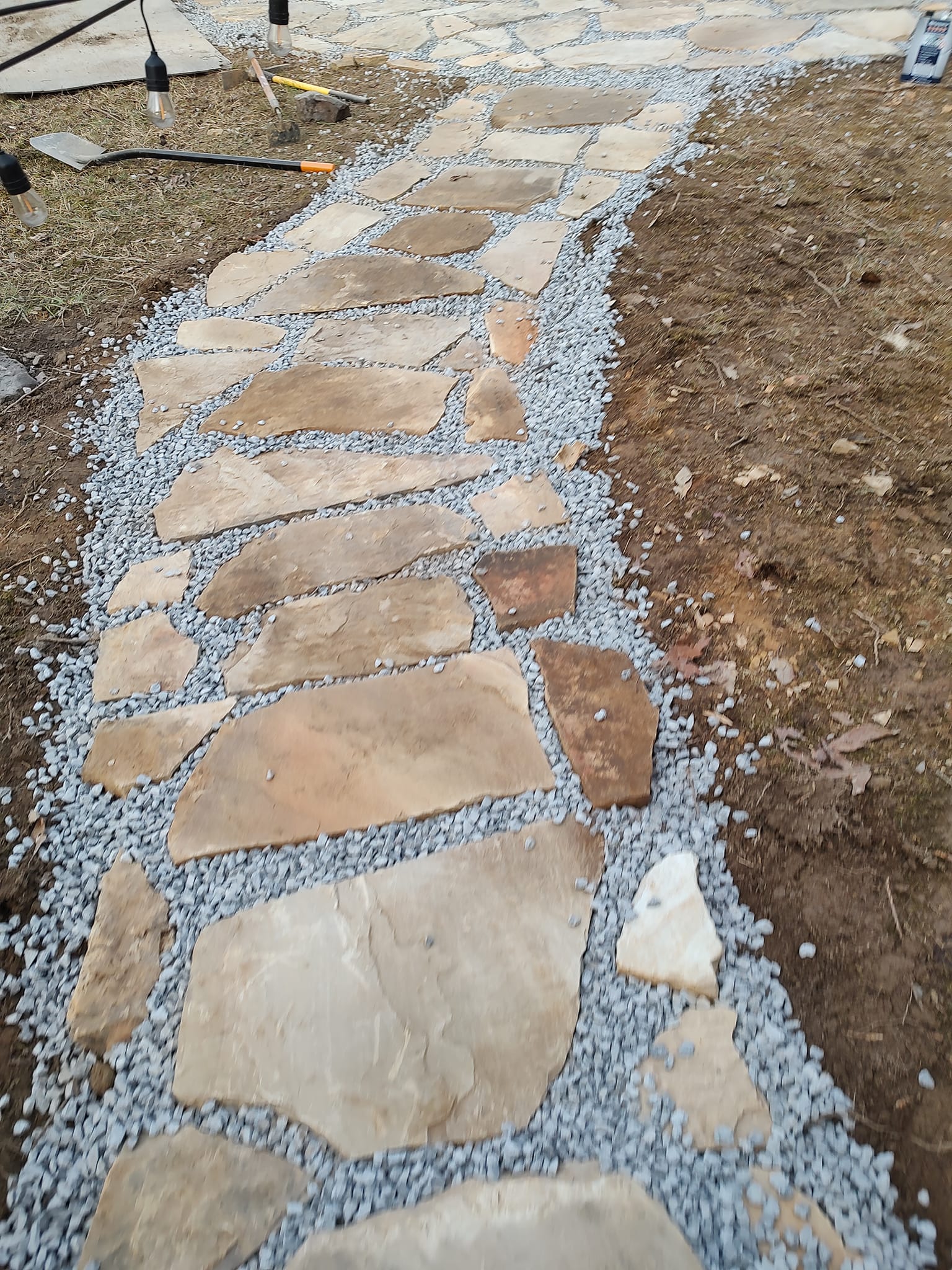
Incorporating hardscape elements is another effective way to enhance a garden's resilience. Hardscapes, such as patios, walkways, and retaining walls, can be designed from eco-friendly or recycled materials, offering longevity and durability. Starnes Hardscapes specializes in custom hardscape designs that integrate seamlessly with the natural environment, using materials that withstand extreme weather while minimizing environmental impact. For example, choosing permeable pavers for walkways not only adds aesthetic appeal but also allows rainwater to seep through, effectively managing runoff and promoting groundwater recharge.
Moreover, integrating features that promote biodiversity is essential in any sustainable landscape. Birdhouses, butterfly gardens, and bee-friendly zones can encourage local wildlife to flourish, contributing to a vibrant ecosystem. These features not only enhance the aesthetic value of your outdoor space but also play a crucial role in supporting local fauna.
Finally, routine maintenance is vital in preserving the resilience of your landscape over time. Regularly assessing plant health, soil quality, and the condition of hardscape elements ensures that the landscape remains both functional and attractive. Engaging with a professional property management service like Starnes Hardscapes offers the reassurance that your outdoor space is cared for with expertise and dedication.
In conclusion, designing resilient landscapes tailored for modern outdoor living offers immense benefits. By integrating sustainable practices, homeowners contribute positively to the environment while enjoying a beautiful and enduring outdoor space. At Starnes Hardscapes & Property Management LLC, our commitment to sustainability ensures that we create landscapes that are not only visually stunning but also environmentally responsible, providing a legacy for future generations. For those looking to enhance their property with sustainable solutions, our expert team is ready to guide you toward creating the perfect resilient landscape.